Imagine you’re opening a lemonade stand.
In North America, most customers just hand you a credit card. Done.
In Europe, people pay in many different ways. If your checkout only accepts cards, a big chunk of your customers will simply leave. Not because they don’t want your product. Because you don’t take their money in the way they want to hand it over.
This guide walks you through everything a startup needs to know before accepting payments in Europe. No jargon. No assumptions. Just what matters.
Europe is choice-first, not card-first. Cards are the backup in much of the continent. Three families matter: cards, bank payments (SEPA), and local wallets (APMs).
Every country has a default. iDEAL in the Netherlands, Bancontact in Belgium, Przelewy24 in Poland, Swish in Sweden. Miss the local favorite and customers abandon.
SEPA Direct Debit is Europe’s ACH. If you bill subscriptions, support it. The first charge sets up a mandate; the rest collect automatically.
SCA is mandatory, and your PSP handles it. Stripe, Adyen, and Mollie build it in. Skip it and European banks block payments outright.
The Three Main Ways Europeans Pay
Let’s start simple. There are three broad categories of payment methods you need to know about in Europe.
1. Cards
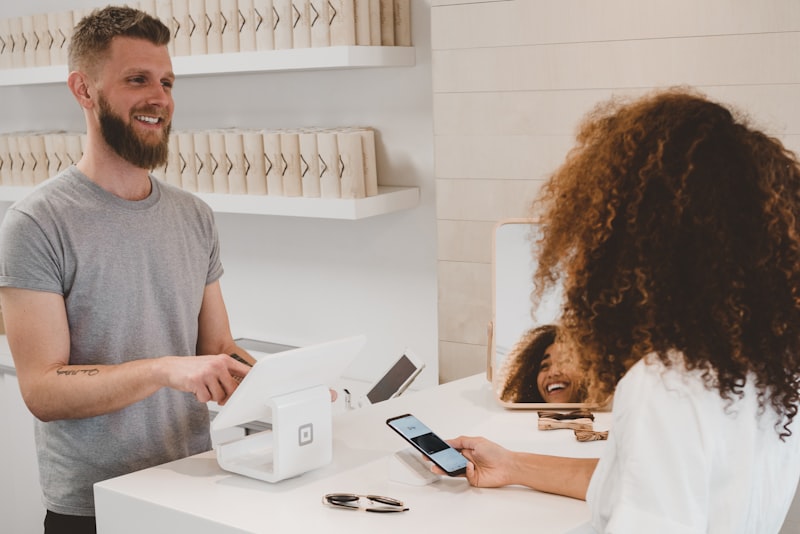
Yes, cards work in Europe. Visa and Mastercard are accepted almost everywhere. American Express works in many places too, but not as widely as in the US.
Here’s the thing: in many European countries, cards are not the first choice. They’re the backup.
Think of cards as the universal remote. It works everywhere, but it’s not what people prefer to use at home.
Cards are most popular in:
- United Kingdom
- Ireland
- Spain
- Italy
2. Bank Payments
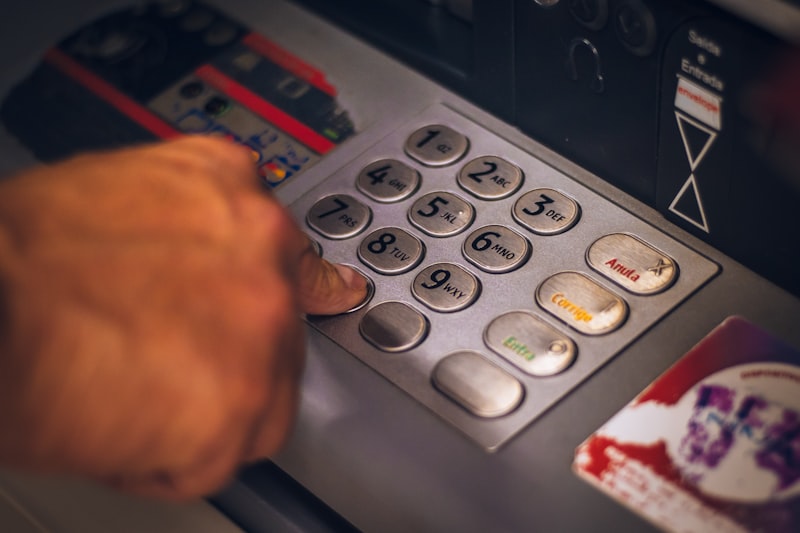
Instead of swiping a card, European customers can send money directly from their bank account to yours.
This is called a bank transfer, and in Europe it runs on a system called SEPA (more on that shortly).
Bank payments are huge in Europe. They are the default for:
- Subscriptions and SaaS billing
- Utility bills
- Insurance premiums
- Business-to-business invoices
- Rent and large purchases
Think of it like Zelle or ACH in the US, except it works seamlessly across the entire European Union.
3. Local Wallets and Alternative Payment Methods (APMs)

This is where things get really interesting.
Many European countries have their own local payment method that their citizens use every single day. These are called Alternative Payment Methods, or APMs.
If you don’t offer the local favorite at checkout, many customers will abandon. They didn’t say no to your product. They said no to your checkout.
The European Payment Method Map
Here is a quick country-by-country breakdown of what Europeans prefer to pay with online:
| Country | Preferred method | What it is |
|---|---|---|
| Netherlands | iDEAL | Direct bank payment; trusted by nearly every Dutch online shopper |
| Belgium | Bancontact | Local debit card scheme used by over 80% of Belgian adults |
| Poland | Przelewy24 | Bank transfer aggregator; the default for Polish online shopping |
| Germany | PayPal, SEPA Direct Debit | Germans trust familiar brands; cards are less popular than elsewhere |
| Sweden | Swish | Real-time mobile bank payment used by nearly all Swedish adults |
| Austria | EPS | Government-backed online bank payment |
| Finland | Trustly | Direct bank payment, dominant across the Nordics |
| France | Carte Bancaire | French domestic card network, often co-branded with Visa or Mastercard |
| Czech Republic | GoPay, bank transfer | Direct bank payments dominate online checkout |
Not offering the local favorite causes checkout abandonment even when the customer genuinely wants to buy.
What Is SEPA?
SEPA stands for Single Euro Payments Area.
Think of it like a highway system, but for money. Before SEPA existed, sending money between European countries was slow, expensive, and a mess. Each country ran its own banking rules and its own system.
SEPA changed that. It created one shared system so moving money across Europe is as simple as moving money within a single country.
There are two main SEPA products you will hear about:
SEPA Credit Transfer
A customer manually sends money from their bank account to yours. Think of it like a wire transfer, but easier and cheaper within Europe. You share your IBAN (that’s a European bank account number) and the customer initiates the payment from their bank.
Best for: one-off payments, invoices, B2B transactions.
SEPA Direct Debit
You pull money from your customer’s account automatically on a schedule. The customer signs a “mandate” once, and you can collect payments regularly without them doing anything each billing cycle.
Best for: subscriptions, SaaS, insurance, memberships.
For SaaS founders
SEPA Direct Debit is the European equivalent of ACH in the US. If you bill customers monthly, you will want to support it.
What Is PSD2?
PSD2 stands for Payment Services Directive 2.
That’s a mouthful. Here is the simple version:
The European Union decided that banks had too much control over payments. Customers deserved more freedom. New companies should be allowed to compete with banks. And fraud needed to come down.
So the EU passed a law. That law is PSD2.
Here is what PSD2 changed:
- Open Banking: Banks must now share your account data with other apps and services, but only with your explicit permission. This is how modern budgeting apps and payment tools can connect directly to your bank.
- More Competition: New payment companies can now plug into the banking system without needing to be a bank themselves. This is a big reason why there are so many more payment options in Europe today.
- Better Security: Merchants and payment providers must meet stricter security standards to reduce fraud. This is where SCA comes in.
Simple version
PSD2 is the EU’s way of making banks share nicely, letting more companies compete, and making online payments safer.
PSD2 is not the last word. A successor package, PSD3, is already moving through Brussels and will carry these rules forward.
What Is SCA?
SCA stands for Strong Customer Authentication.
Simple version: Europe now requires extra proof that you are really you when making a payment online.
In the old days, you could pay online with just a card number and an expiry date. Easy for customers. Also easy for fraudsters.
SCA changed that. Customers now need to prove their identity using at least two of these three things:
- Something they know (a password or PIN)
- Something they have (their phone or a hardware key)
- Something they are (a fingerprint or Face ID)
That is why European customers now see prompts like “Please approve this payment in your banking app,” or a one-time code sent to their phone. This adds one extra step to checkout, but it dramatically reduces fraud.
The Important Part for Merchants
If your checkout doesn’t support SCA, some payments will fail. Not just be declined. They will fail entirely. European banks will block them.
The good news: most modern payment service providers handle SCA automatically. If you use Stripe, Adyen, Mollie, or similar, SCA is already built in. Just confirm with your provider to be sure. For a deeper walk-through, see our plain-English PSD2 and SCA guide.
Why This Matters for Your Conversion Rate
Conversion rate is the percentage of visitors who actually complete a purchase. In Europe, a checkout without the right payment methods will have a significantly lower conversion rate than one that offers them.
The conversion lift from offering the local payment method
Typical uplift in a market where a domestic method dominates, versus a card-only checkout.
Here is a real example. Imagine you are selling software subscriptions to Dutch businesses. Your checkout accepts Visa, Mastercard, and PayPal.
A Dutch customer arrives at your checkout. They want to pay with iDEAL, which is what they use for everything online. It connects directly to their bank. They trust it. It is fast. They look at your checkout, don’t see iDEAL, and leave. They didn’t say no to your product. They said no to your checkout.
A US merchant asks “do you accept Visa and Mastercard?” A European merchant asks “which method does this customer expect to see?”
The Payments Edge
The Simple Checklist Before You Go Live in Europe
Use this as a quick gut-check before you launch in any European market:
- Accept Visa and Mastercard as the universal baseline.
- Add local payment methods for each country you are targeting (iDEAL for the Netherlands, Bancontact for Belgium, Przelewy24 for Poland, and so on).
- Support SEPA Direct Debit if you offer subscriptions or recurring billing.
- Confirm your payment provider supports SCA. Most modern PSPs handle this automatically, but always verify.
- Test your checkout from inside each target country to confirm which payment options actually appear to customers.
- Ask your PSP about local acquiring in your target markets; it often improves authorization rates significantly.
One Sentence Summary
North America is card-first. Europe is choice-first. Your customers expect to see the payment method they already know and trust.
What Did We Miss?
Are you expanding into Europe right now? Do you have a specific country in mind, or a payment question you just can’t figure out?
Drop a comment below. Tell us where you are launching and what’s confusing you. We read everything, and your question might become our next guide.
- European Payments Council, “SEPA payment schemes,” europeanpaymentscouncil.eu.
- EUR-Lex, “Directive (EU) 2015/2366 (PSD2),” eur-lex.europa.eu.
- European Banking Authority, “Payment services and electronic money (SCA / RTS),” eba.europa.eu.